
ORTHODONTICS
Straighter teeth and a healthier bite, at any age.
Orthodontic treatment uses gentle, steady pressure to move teeth into better positions and correct the way your upper and lower teeth meet. It can be done with braces or clear aligners, for children, teenagers and adults.
Book a Consultation Explore Treatment Options
A personalised plan, with your expected result shown before you start.

Braces or clear aligners, planned around you.
THE IDEA IN ONE PICTURE
Teeth sit in bone that slowly reshapes when light, constant pressure is applied. Brackets and a wire, or a series of clear aligners, guide each tooth a small step at a time towards its planned position. Once the teeth are aligned, retainers hold them in place while the bone and gums settle.
Whether orthodontic treatment suits you, and which kind, is decided only after examination, X-rays and records.
Illustrative concept of orthodontic treatment.
Uneven teeth are not only about appearance. They can make cleaning harder and put extra strain on some teeth and the jaw. These are common reasons people are assessed.
Not enough room for the teeth to line up, so they twist or overlap and trap food and plaque.
Spaces from small or missing teeth, or teeth that have drifted apart over time.
Also called an overjet or deep overbite, which can make front teeth easier to injure.
Lower teeth that bite in front of or outside the upper teeth, which can wear teeth and strain the jaw.
Front teeth that do not meet when you bite together, making it hard to bite into food.
Teeth that have shifted since earlier braces, often because retainers were not worn.
If something breaks during treatment. A loose bracket or a wire poking your cheek is usually not an emergency. Cover it with orthodontic wax and call us for an appointment. A knock to the teeth or face, swelling, or a wire stuck in the gum that you cannot ease should be seen promptly.
Moving teeth safely depends on understanding your whole mouth and how your jaws grow and meet. Your dentist checks:
Not every uneven tooth needs orthodontics. Sometimes monitoring, or simple bonding to reshape a tooth, is the right answer.
Several types of appliance can straighten teeth. The best choice depends on the movements needed, your age and your lifestyle, and is made only after assessment.
Small metal brackets are bonded to the teeth and linked by a wire that is adjusted every few weeks. Coloured or clear elastic ties hold the wire in place.
For almost any type of crowding or bite problem, including complex cases. They are fixed, so they work all the time without you needing to remember to wear them.
Work the same way as metal braces, but the brackets are tooth-coloured or clear so they are much less noticeable.
For teenagers and adults who want fixed braces with a more discreet look. The brackets are slightly larger and need careful cleaning to avoid staining around them.
A series of thin, removable clear trays, each made from a digital plan and changed every one to two weeks. Small tooth-coloured attachments may be bonded to some teeth to help them move.
For many adults and teenagers with mild to moderate crowding, spacing or bite issues. They need to be worn for about 20 to 22 hours a day to work as planned.
Custom brackets and wires are fixed to the back surfaces of the teeth, so they cannot be seen when you smile.
For adults who want fixed braces that are hidden. They can take longer to get used to for speech and comfort, and are not suitable for every bite.
Simple appliances, such as expanders or space maintainers, guide jaw growth and make room for adult teeth while a child is still growing.
For certain problems such as crossbites, severe crowding or habits affecting the teeth. A first check around the age of 7 helps decide whether early treatment is useful or whether to wait.
A thin wire bonded behind the front teeth, a removable clear retainer, or both, to hold the teeth in their new positions.
After every course of orthodontic treatment. Teeth tend to drift back throughout life, so retainers are usually worn long term, often at night.
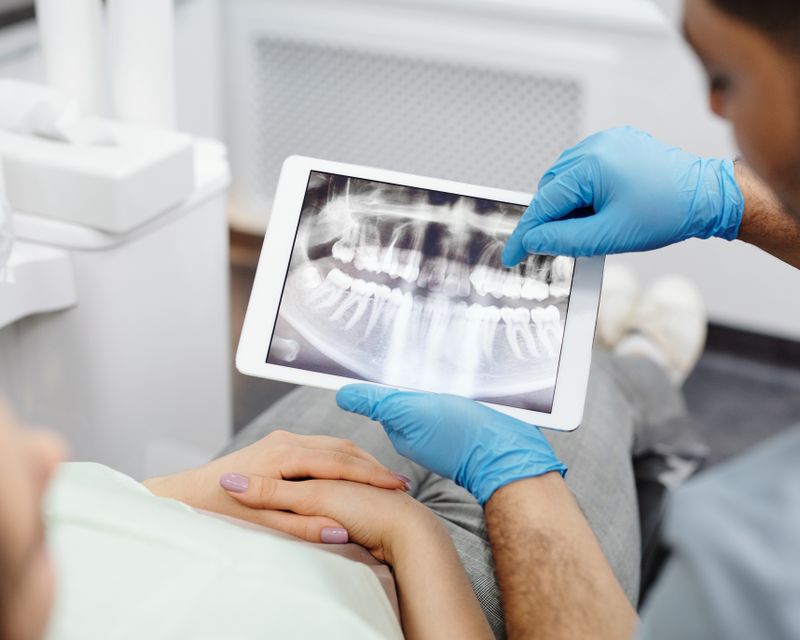
Your teeth, bite and jaws are examined, with X-rays, photographs and digital scans or impressions.
A treatment plan is made, often with a digital preview of the expected result, the appliance and the likely time.
Braces are fitted or aligners started, with review visits every few weeks to adjust and track progress.
Braces are removed or the last aligner finished, retainers are fitted, and reviews check the teeth stay in place.
Active treatment often takes around 12 to 24 months, but this varies widely with the type of problem, the appliance and how closely instructions are followed.
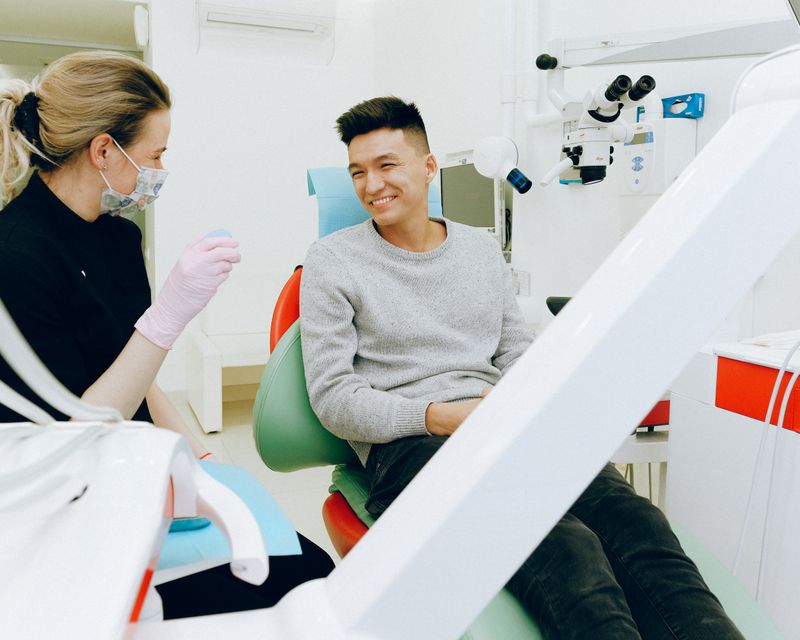
Fitting braces or starting aligners does not need injections, and most visits are short. Your care is planned to keep you at ease:
Photographs on this page are illustrative and do not show clinic patients or results.
No. Teeth can be moved at any age as long as the teeth and gums are healthy. Many adults choose orthodontic treatment, often with clear aligners or ceramic braces.
Fitting braces or aligners is not painful. Teeth usually feel sore or pressured for a few days after fitting, adjustments or a new aligner, and this settles as you get used to it.
Many treatments take around 12 to 24 months, but simple cases can be shorter and complex bites longer. Your dentist will give you an estimate after planning, which depends partly on wearing elastics or aligners as advised.
Both can work very well. Braces are fixed and suit almost every problem. Aligners are nearly invisible and removable, but only work if worn most of the day, and may not suit every bite. Your dentist will explain which fits your teeth and routine.
Yes. Teeth naturally tend to move throughout life, so retainers are needed to keep the result. Many people wear removable retainers at night long term, sometimes with a fixed wire behind the front teeth.
A first check around the age of 7 is often recommended. Most children do not need treatment then, but some problems are easier to correct while the jaws are still growing.
Mostly, yes. Cut harder foods into small pieces and avoid very sticky, chewy or hard foods such as toffee, nuts and ice. With aligners you can eat normally, as long as you take them out first.
BOOK A CONSULTATION
An examination and records show what your teeth and bite need and which appliance suits you. You will leave with a clear plan, the expected time and visits, and an estimate, with no pressure to start.
Book a Consultation
Broken bracket or poking wire? Call and we will arrange a repair visit.