
PROSTHODONTICS AND RESTORATIVE DENTISTRY
Strengthening weak teeth and filling the gaps, made to match your smile.
A crown is a custom-made cap that covers and protects a damaged tooth. A bridge replaces one or more missing teeth by joining a new tooth to the teeth on either side. Both are fixed in place, so you do not take them out.
Book a Consultation Explore Treatment Options
Local anaesthesia, shade-matched to your teeth, and every step explained first.

Fixed in place. Shaped and shaded to blend in.
THE IDEA IN ONE PICTURE
A tooth that is cracked, worn or heavily filled is gently reshaped, then covered with a crown that takes the biting load and holds it together. Where a tooth is missing, the teeth beside the gap can be crowned and joined to a replacement tooth in between. Together they form a bridge that is cemented in place.
Whether a crown, a bridge or another option suits you is decided only after examination and an X-ray.
Illustrative concept of a crown and bridge.
Crowns and bridges are used to protect, rebuild or replace teeth. These are the common reasons people are advised to consider them.
When so much of a tooth is filling or missing that a new filling alone may not hold.
A crown can hold a cracked tooth together and help stop the crack spreading further.
Back teeth that have had root canal treatment are often crowned to protect them from breaking.
A gap can affect chewing and speech, and nearby teeth may slowly drift or tilt into the space.
Teeth worn down by grinding, acid or age can be rebuilt to restore their height and your bite.
When whitening or bonding cannot give the result you want, a crown can change the shape and shade.
When to seek care promptly. A broken tooth with pain, swelling in the gum or face, or a crown or bridge that has come off should be seen soon. Keep any loose crown safe and bring it with you. Swelling that is spreading, a fever with tooth pain, or difficulty swallowing or breathing needs urgent dental or medical care the same day.
A crown or bridge is only as good as the tooth, gum and bone beneath it. Your dentist checks several things before recommending a way forward:
Not every damaged tooth needs a crown. Sometimes a filling, an onlay or an implant is the better answer.
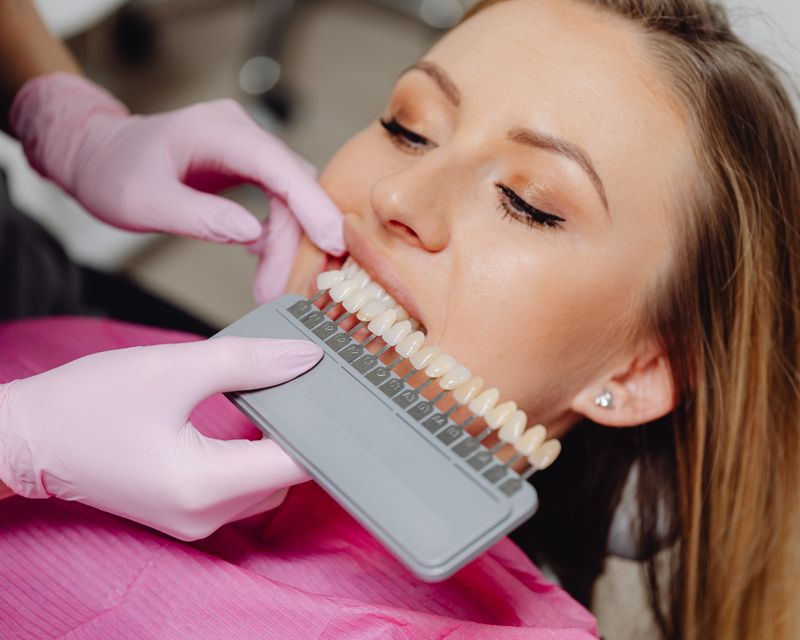
Crowns and bridges come in several designs and materials. The choice depends on the tooth, where it sits in your mouth and your preferences, and is made only after assessment.
The tooth is reshaped and a crown made from zirconia or glass ceramic is fitted over it. These materials are tooth-coloured all the way through and can be closely matched to your natural shade.
For front teeth where appearance matters most, and for back teeth that need strength. Zirconia is often chosen for heavy biting forces, glass ceramics for the most natural look.
A thin metal core gives strength and is covered with tooth-coloured porcelain. It is a long-established option with a strong track record.
Often for back teeth and longer bridges. Over time a thin dark line may show at the gum edge, which is why metal-free crowns are often preferred for front teeth.
Only the damaged part of the tooth is covered, usually one or more of the chewing points. More of your natural tooth is kept than with a full crown.
When a filling is too large to last well but enough healthy tooth remains around it that a full crown is not needed.
The teeth either side of the gap are reshaped and crowned, and a replacement tooth is joined between them as one piece. The bridge is cemented in place and cleaned like your own teeth, with a little extra care underneath.
When one or two teeth are missing and the neighbouring teeth are strong, especially if they already have large fillings or crowns. It does mean trimming those teeth.
A small titanium post is placed in the jawbone and allowed to heal, then a crown or bridge is fixed on top. The neighbouring teeth are not trimmed.
When there is enough healthy bone and you are fit for a minor surgical procedure. Treatment usually takes a few months from start to finish.
A replacement tooth with small wings is bonded to the back of the neighbouring teeth. Little or no trimming of those teeth is needed.
Usually for a single missing front tooth where the neighbouring teeth are healthy and the bite is suitable. It is less suited to heavy chewing forces.
The tooth, gums and bite are examined and X-rayed. Any decay, gum problems or root canal needs are treated first, and the material and shade are agreed with you.
Under local anaesthesia the tooth is gently reshaped to make room for the crown. An impression or digital scan records its exact shape.
A temporary crown or bridge protects the tooth and fills the space while your final one is made by the dental laboratory.
The final crown or bridge is tried in, adjusted for fit, shade and bite, then cemented. A review visit checks your gums and bite.
Most crowns and bridges need two or more visits. Implant-supported options take longer because the implant needs time to heal first.

A good crown or bridge should feel like your own tooth and be hard to tell apart from the teeth around it. Your care is planned with comfort and fit in mind:
Photographs on this page are illustrative and do not show clinic patients or results.
Some sensitivity around the treated tooth can occur for a few days. Avoid very hard or sticky foods initially and maintain regular brushing and flossing around the restoration.
Good oral hygiene is important to protect both the restoration and the supporting teeth.
If your crown or bridge feels loose, painful or uncomfortable, contact us rather than waiting for it to worsen.
The tooth is numbed with local anaesthesia while it is prepared, so most people feel only pressure and vibration. Some sensitivity or gum tenderness for a few days afterwards is normal and usually settles on its own.
With good cleaning and regular check-ups, many crowns and bridges last ten years or more. How long yours lasts depends on the material, your bite, any grinding, and the health of the tooth and gums underneath.
Modern ceramic crowns are shade-matched and shaped to blend with the teeth around them. Your dentist will discuss the look you want, and you can see the crown or bridge before it is fixed in place.
Both replace missing teeth. A bridge is usually quicker and needs no surgery, but the neighbouring teeth are trimmed. An implant leaves those teeth untouched but needs enough bone, a minor procedure and a few months of healing. Your dentist will talk through what suits your mouth.
The crown itself cannot decay, but the natural tooth at the edge of the crown can, especially near the gum. Brushing along the gum line, cleaning between teeth and regular check-ups help prevent this.
Keep it safe, avoid chewing on that side and contact the clinic. It can often be cleaned and recemented if it is undamaged and the tooth underneath is healthy. Do not try to glue it back yourself.
Not usually. Most crowned teeth have a healthy nerve. Root canal treatment is only needed if the nerve is inflamed, infected or very close to the damage, which your dentist checks before preparing the tooth.
BOOK A CONSULTATION
An examination and X-rays show whether a crown, bridge or another option suits you. You will leave with a clear plan, the material choices, the expected visits and an estimate, with no pressure to start.
Broken tooth or crown come off? Call and we will try to see you as soon as possible.